The 5 Most Prestigious Private Schools for Affluent Families 2026
There is no entirely objective way to rank the world’s most prominent private schools. Academic results offer one measure; university placement, institutional history and alumni influence offer others. Yet families operating across countries, businesses and generations tend to assess schools by a broader set of criteria.
They consider the social composition of the student body, the values reinforced outside the classroom, the degree of personal attention available and the relationships a child may carry into adult life. In that context, reputation is less a trophy than a form of infrastructure.
The institutions below represent five different philosophies of elite education. Rather than asking which school is objectively “best”, they reveal the different environments through which influence, character and opportunity are cultivated across generations.
Method
This selection considers institutional reputation, educational philosophy, international appeal, alumni influence, continuity and the distinct environment each school offers. No commercial relationship exists with any institution included, and no school reviewed this article before publication.
1. Institut Le Rosey (Switzerland)
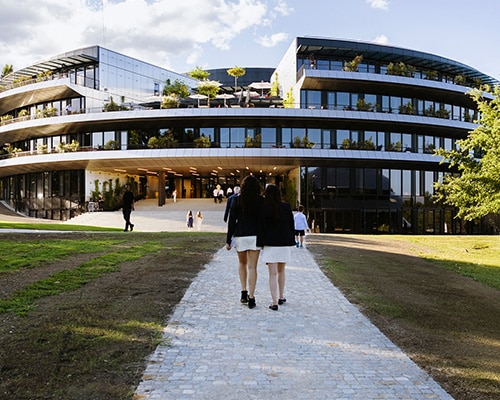
Le Rosey remains the default answer to a familiar question: where do the world’s wealthiest families educate their children?
Its reputation rests on considerably more than academic performance. The school’s distinguishing asset is its unusually international community, which has long included members of royal households, established European families, industrial dynasties, entrepreneurs and families connected to sovereign wealth.
Its two-campus model remains singular. Students divide the academic year between Rolle, on Lake Geneva, and Gstaad in the Bernese Alps, an arrangement that gives the school a rhythm unlike that of almost any other institution.
Multilingual education and a deliberately international intake are central to its identity. Yet Le Rosey’s real currency is proximity: to other families, other cultures and other centres of influence.
“Le Rosey’s real currency is proximity: to other families, other cultures and other centres of influence.”
For those seeking an education embedded within a genuinely global social world, it remains difficult to displace.
Website: https://www.rosey.ch
2. Eton College (England)

Eton’s importance lies less in exclusivity as spectacle than in its long relationship with British power.
Its alumni include prime ministers, members of the Royal Family, cabinet ministers, judges, military leaders, bankers and chief executives. The school’s influence has been accumulated over centuries, giving it a role within the British establishment that no international boarding school can readily reproduce.
If Le Rosey reflects international wealth, Eton reflects institutional continuity. Its culture is bound up with the codes, traditions and relationships that have shaped British public life.
That distinction matters. Families do not choose Eton simply for its name, nor because it can be declared the “best” school in any universal sense. They choose it because few schools offer comparable access to a social and institutional inheritance of such depth.
Website: https://www.etoncollege.com
3. Institut auf dem Rosenberg, Switzerland
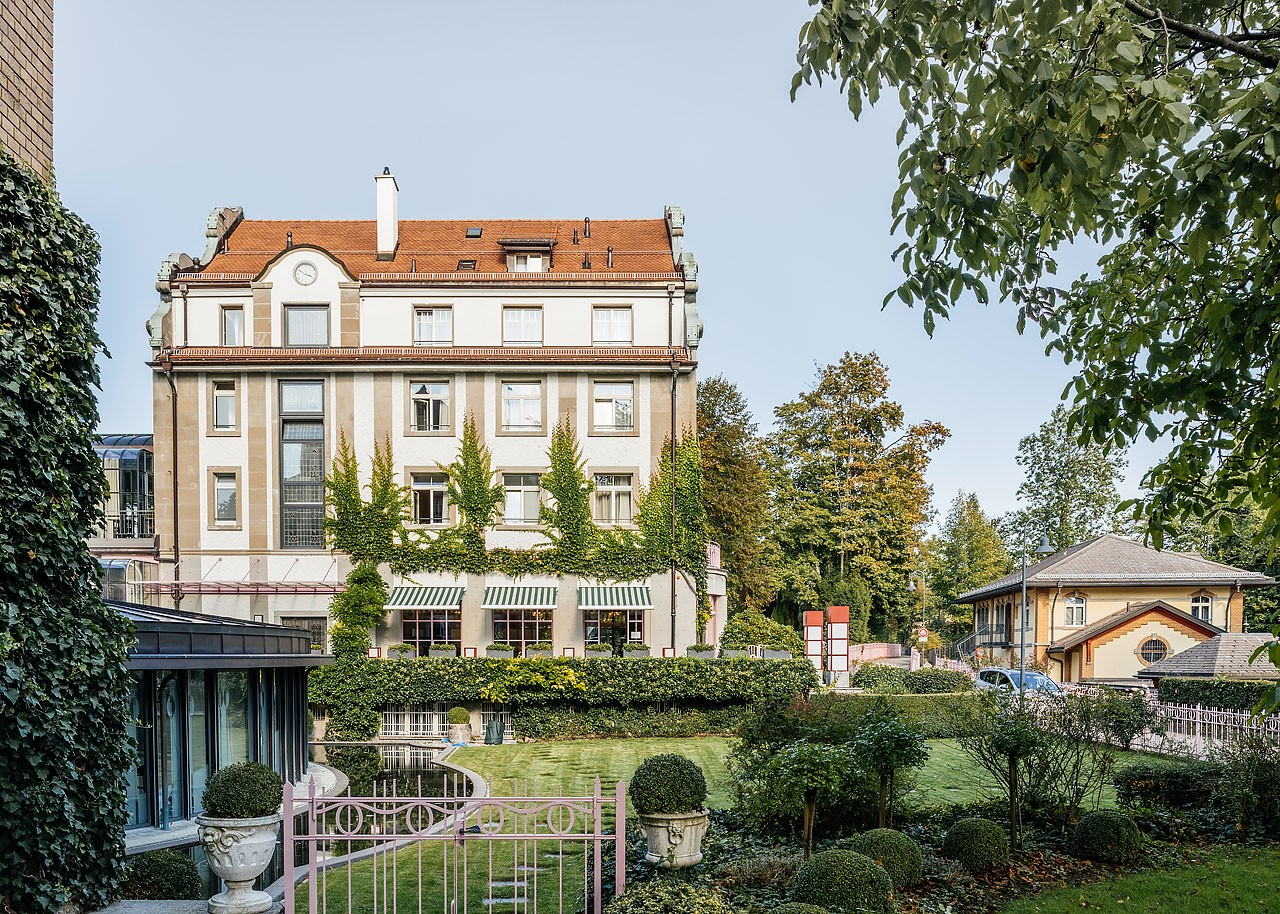
Among Switzerland’s ultra-premium schools, Rosenberg has emerged as the most explicitly future-facing.
The school is unusually small and highly selective, with an emphasis on personalised education. Its Talent & Enrichment programmes extend beyond the conventional curriculum, while its investment in artificial intelligence, entrepreneurship and other forward-looking fields has helped distinguish it from more traditional institutions.
Rosenberg has become particularly attractive to entrepreneurial families from Asia, the Middle East and Europe. For parents whose wealth has been built rather than inherited—or whose children will be expected to navigate industries still taking shape—that positioning has clear appeal.
“Rosenberg has emerged as the most explicitly future-facing of Switzerland’s ultra-premium schools.”
Where Le Rosey draws strength from tradition and long-established reputation, Rosenberg presents itself as a place for adaptation. It is increasingly discussed alongside Le Rosey and Beau Soleil not because it imitates them, but because it offers a different model of elite education.
Website: https://instrosenberg.ch
4. Phillips Academy Andover (USA)
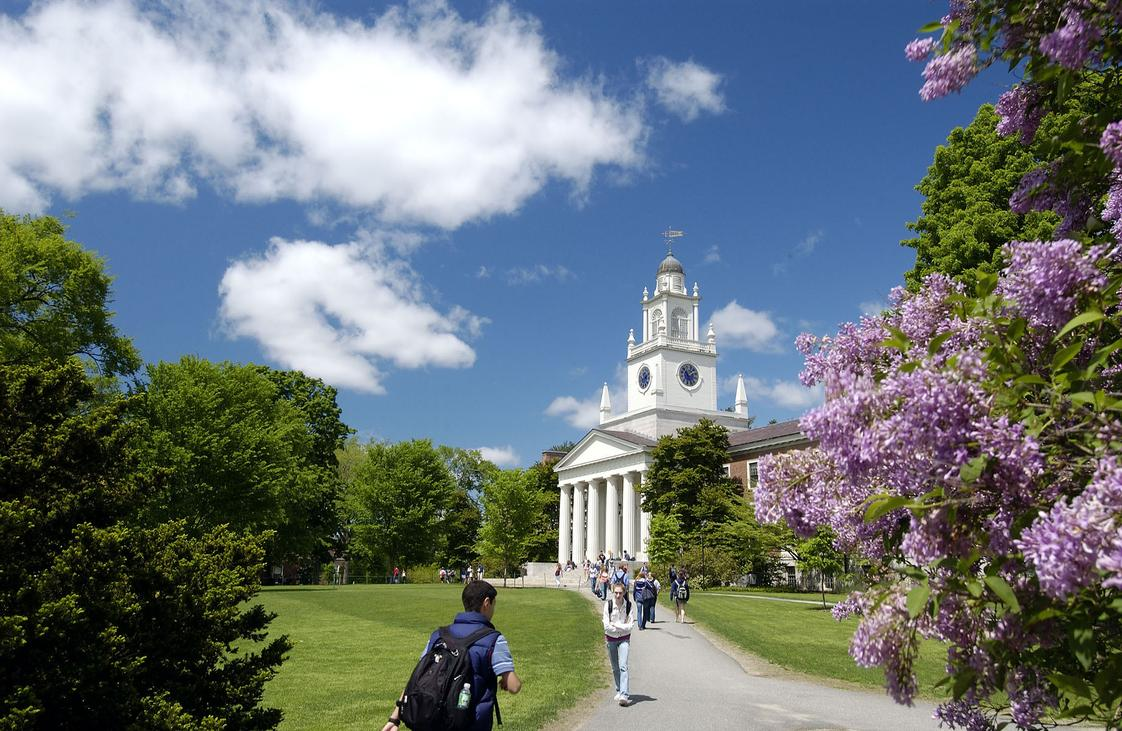
Among American boarding schools, Phillips Academy Andover occupies a position comparable to Eton within Britain: a long-established institution whose influence extends well beyond education.
Founded in 1778, the school has educated generations of political leaders, entrepreneurs, academics and public figures, while maintaining a reputation for exceptional academic standards. Its philosophy, expressed through the motto Non Sibi (“Not for Self”), places equal emphasis on scholarship, responsibility and service.
For internationally mobile families considering an American education, Andover represents less a route to university than entry into one of the country’s deepest educational traditions and alumni networks.
Website: https://www.andover.edu
5. Collège Alpin Beau Soleil (Switzerland)
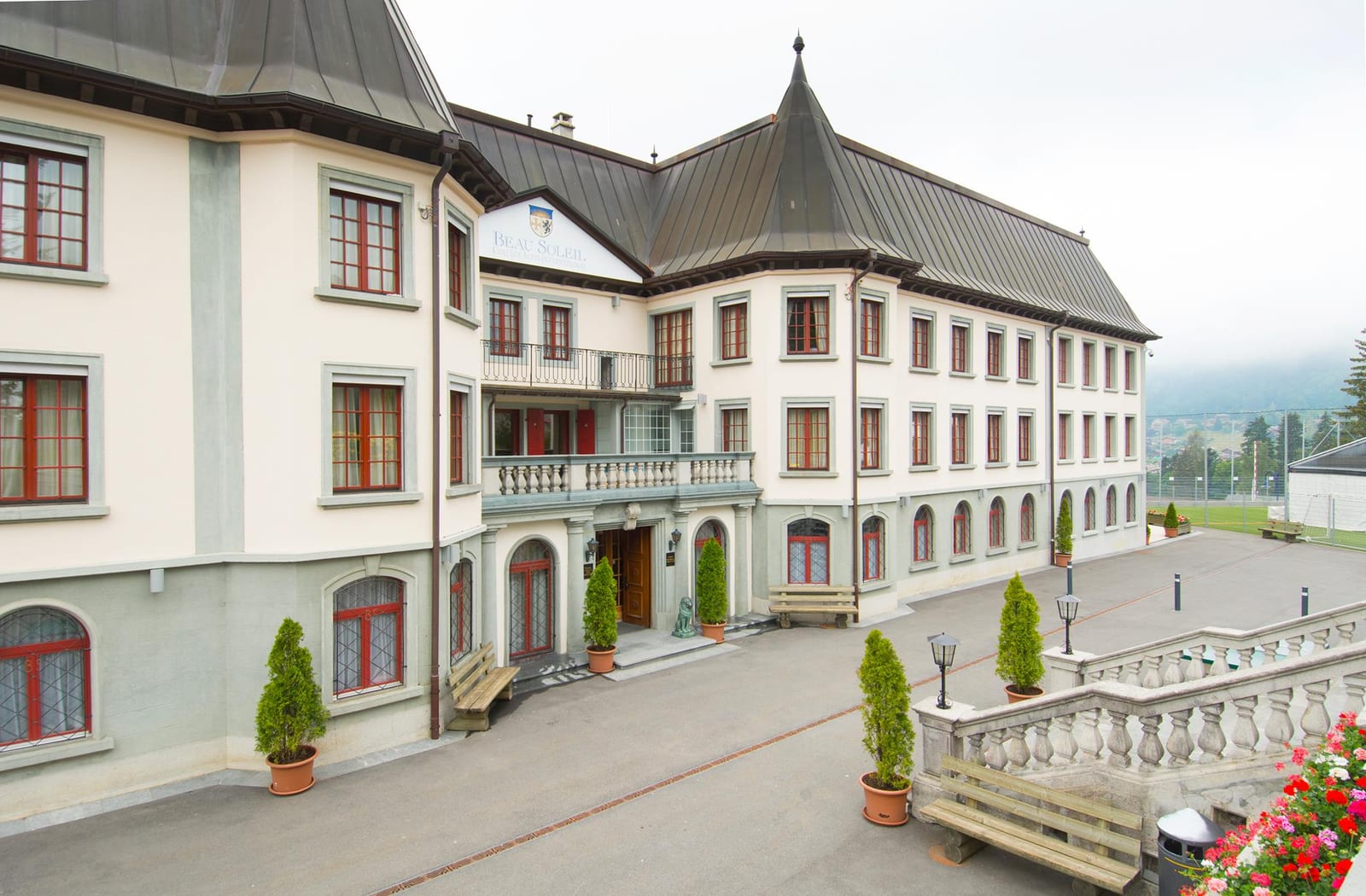
Collège Alpin Beau Soleil has developed a distinctive identity among Switzerland’s leading boarding schools.
While academic achievement remains central, the school places equal importance on international outlook, outdoor education and personal development. Its location in Villars-sur-Ollon shapes much of that philosophy, with expeditions, skiing and travel forming part of the wider educational experience.
Many internationally mobile families are drawn to Beau Soleil because it seeks to develop adaptability and confidence alongside academic success. Its alumni include members of royal families, business-owning families and entrepreneurs from across the world.
Website: https://www.beausoleil.ch
The Schools Just Outside the Five
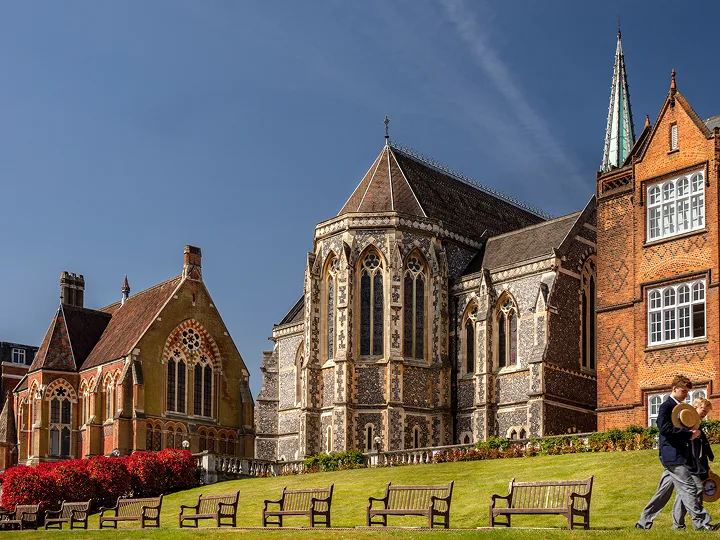
Any list of this kind necessarily excludes institutions of comparable distinction.
Phillips Exeter Academy is the most obvious omission. Within the United States, it is frequently ranked alongside Andover and may be preferred by families who respond more strongly to its academic culture.
Harrow remains one of Britain’s defining schools, with alumni including Winston Churchill and long-standing connections to royal and prominent families across India and the Middle East. It sits close behind Eton in international recognition.
Westminster and St Paul’s offer formidable academic reputations, although neither possesses Eton’s global symbolic weight. Sevenoaks has become increasingly attractive to international families, while Aiglon continues to build its standing among entrepreneurial families drawn to its outdoor philosophy.
Each serves a different constituency. That is precisely why a universal ranking can obscure as much as it reveals.
A More Useful Way to Read the List
The most sensible choice depends on the family.
Le Rosey represents international wealth and cultural fluency. Eton reflects centuries of institutional continuity within Britain. Rosenberg speaks most directly to entrepreneurial families preparing children for emerging industries. Andover occupies a central place within America’s educational establishment, while Beau Soleil balances international education with an unusually strong emphasis on personal development beyond the classroom.
“Prestige is less a trophy than a form of infrastructure.”
Rankings inevitably simplify institutions that have evolved over generations. Families, however, do not choose between rankings. They choose between cultures, expectations and communities.
The more useful question, then, is not which school occupies first place. It is which environment offers the relationships, habits of thought and sense of possibility a family wishes the next generation to inherit.