

The World of ELEVEN28
The institution has no single centre.
It exists wherever its members happen to be.
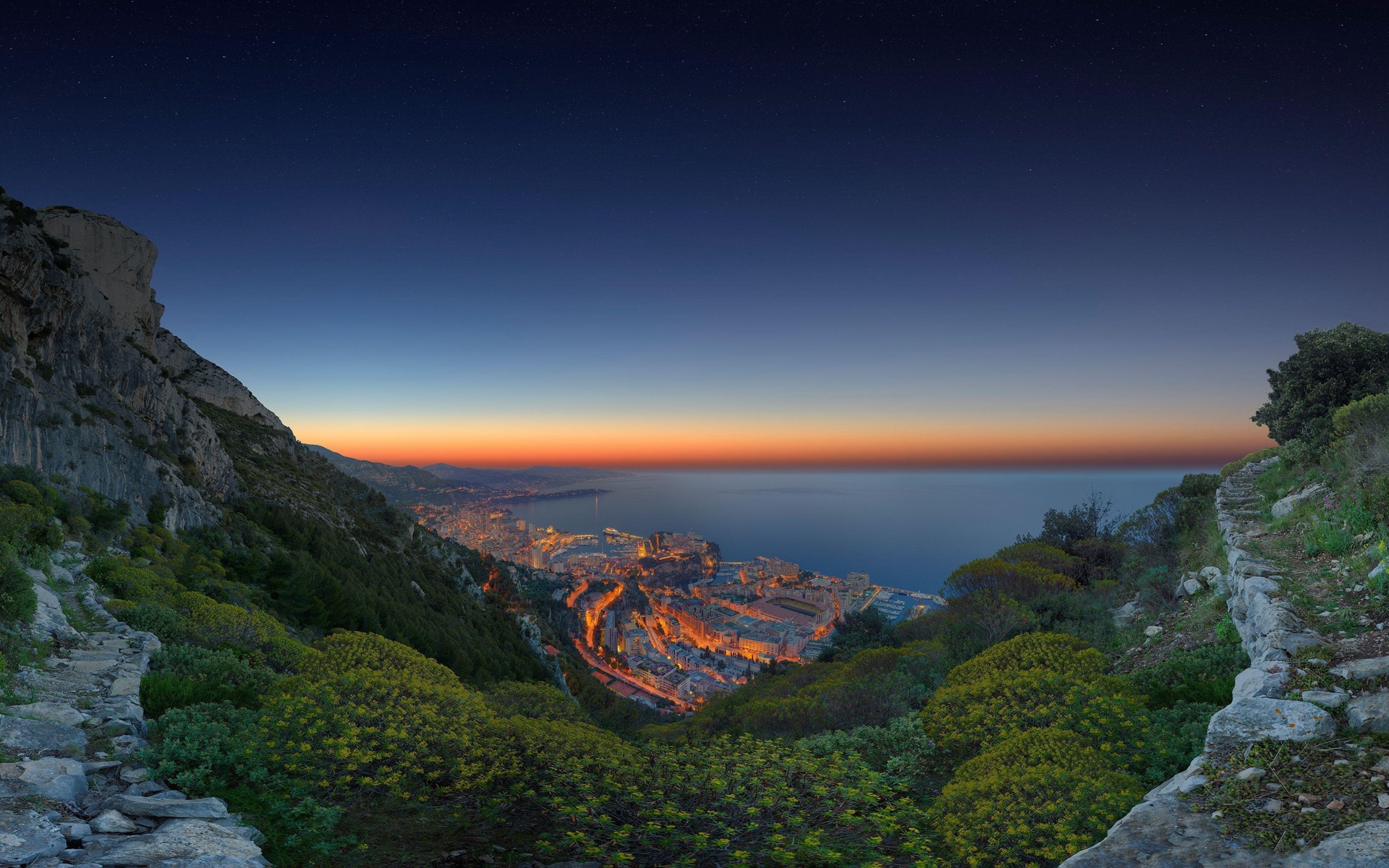
An exceptional property. A business with untapped potential. A rare automobile, a work of art, or something altogether unexpected.
Our interests are as varied as those of our members, extending from established markets to opportunities that seldom reach them.
Some things are worth pursuing for their potential. Others, simply for the pleasure of owning them.
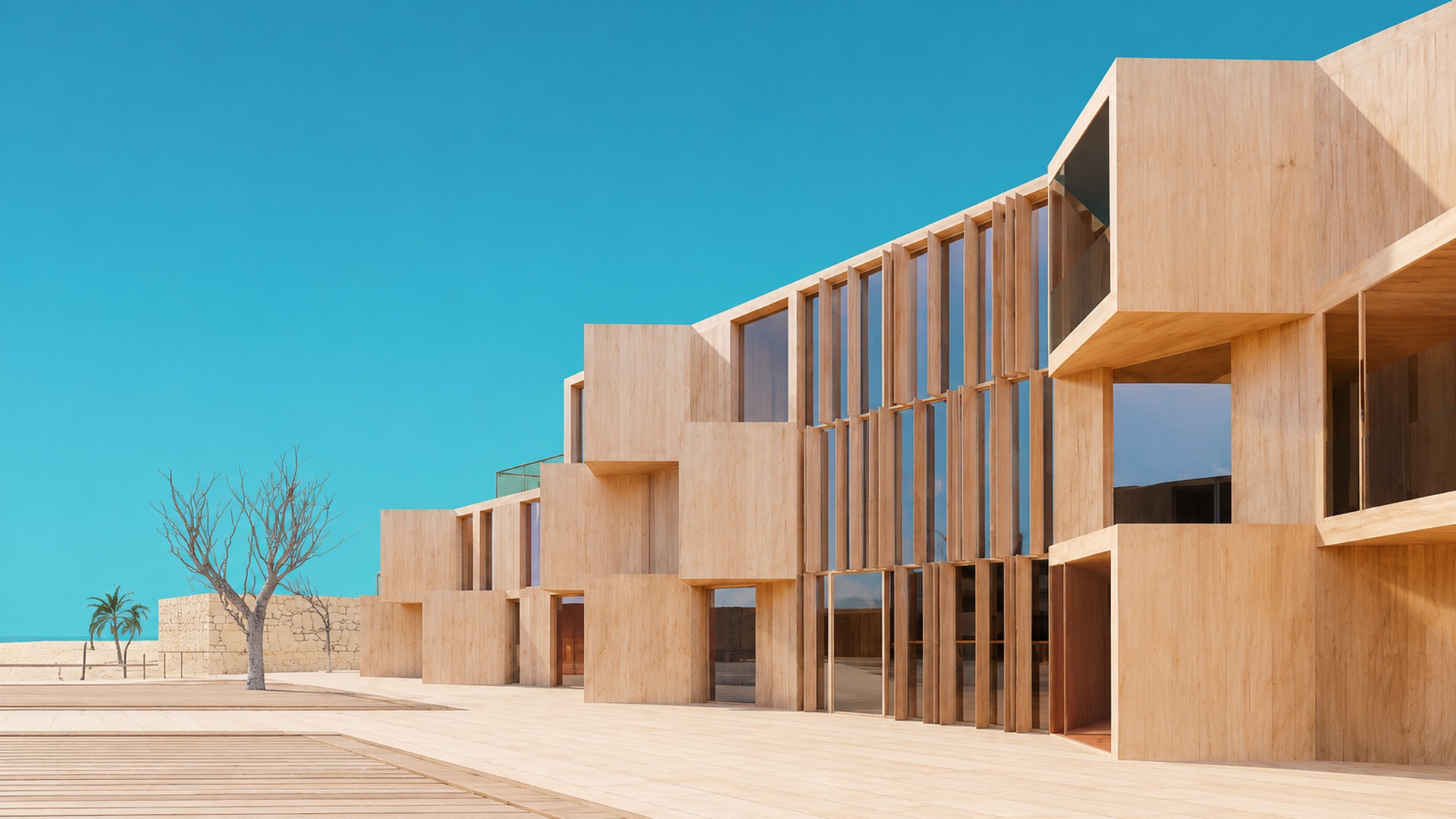
From the first idea to the next generation, there is a particular satisfaction in seeing something take shape.
New ventures, established enterprises, ambitious projects and the occasional undertaking that has never been attempted before.
There is always something worth building.
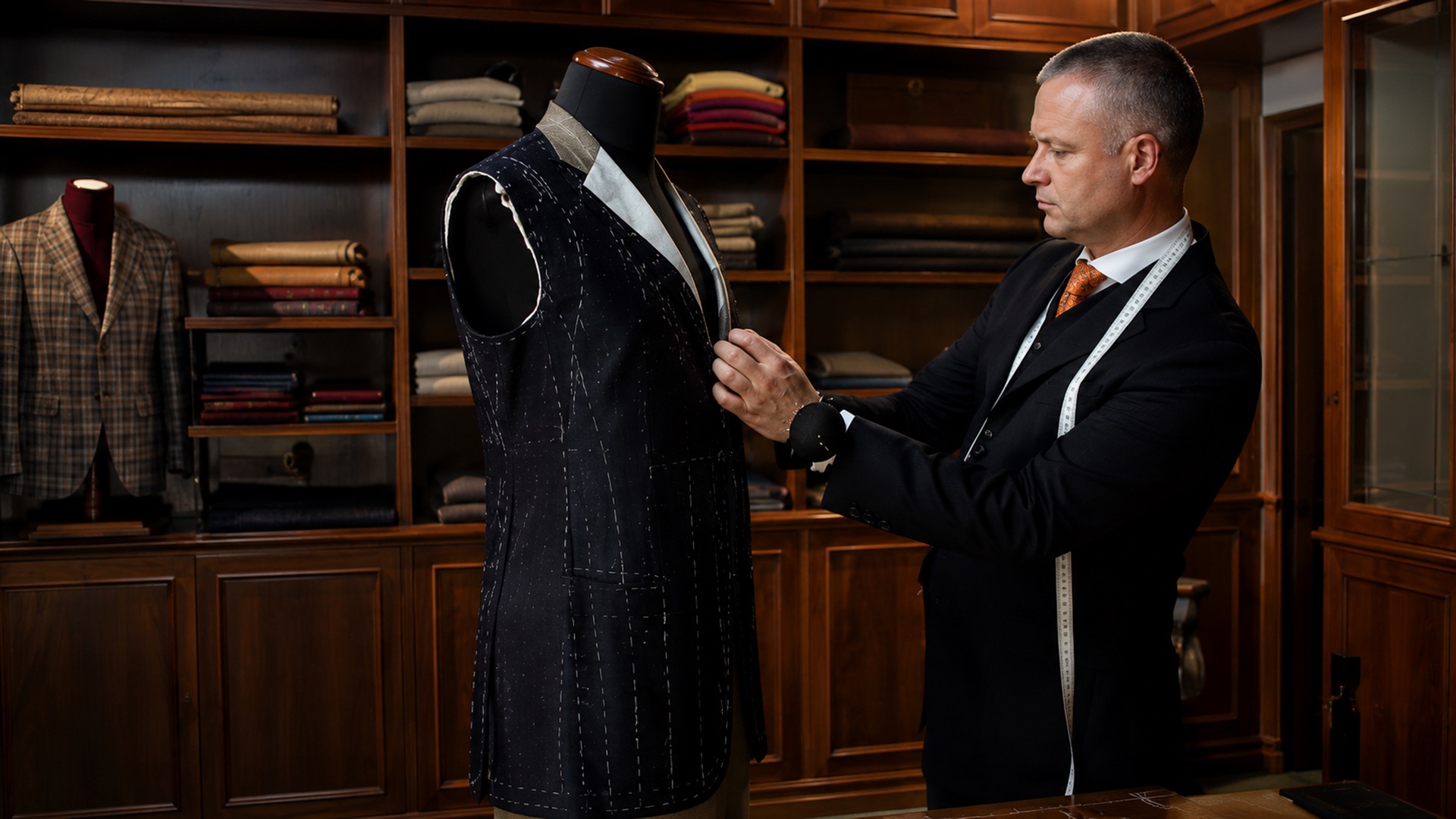
Architecture, design, music, craftsmanship and the countless ways imagination takes form.
We have an appreciation for those who make things, whether through years of patient refinement or the courage to attempt something entirely new.
Originality has never belonged to a single discipline.
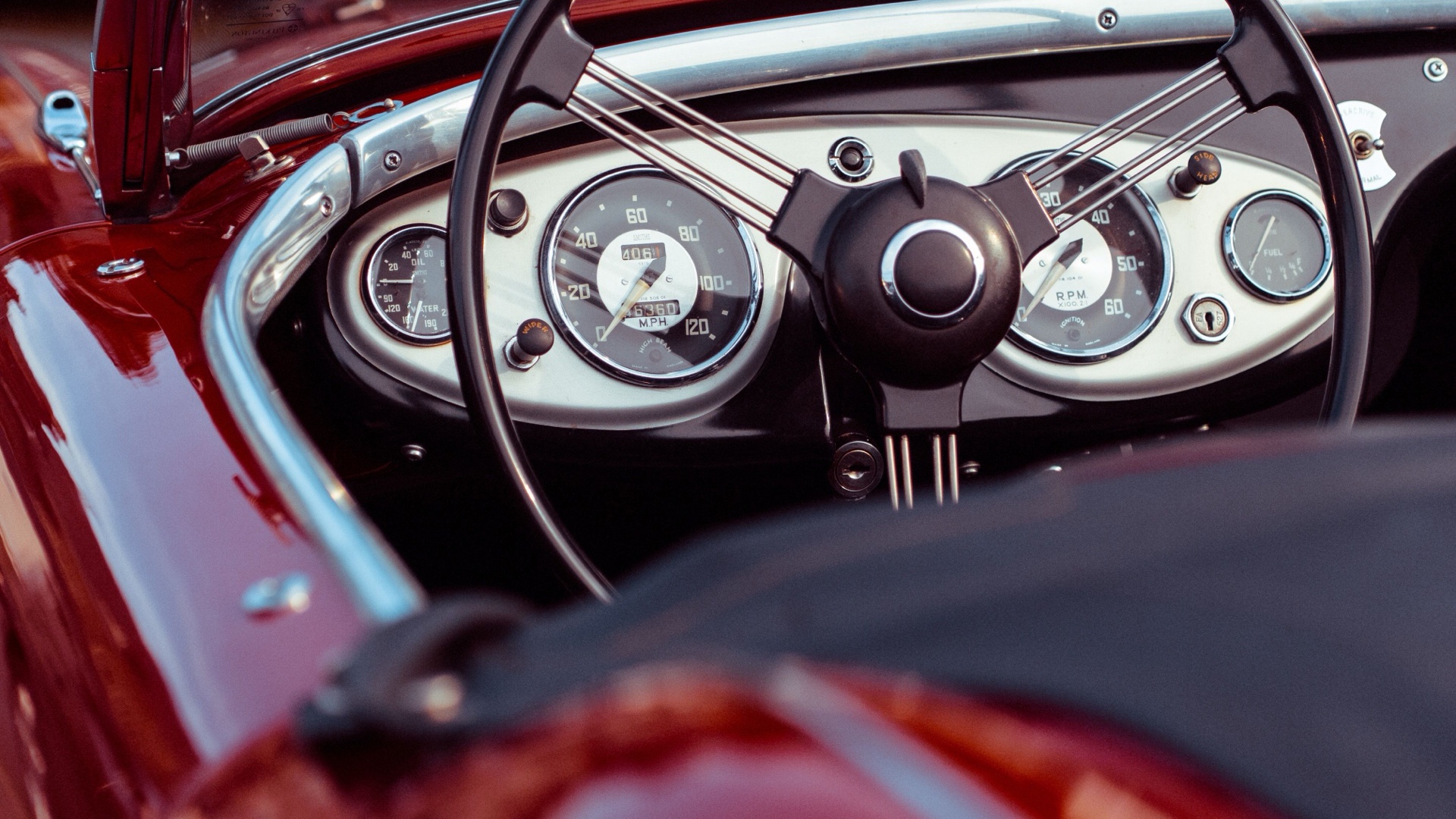
A fascination with beautiful, rare and extraordinary things.
Fine art, historic automobiles, exceptional timepieces, objects of remarkable provenance and pieces whose significance is known only to a discerning few.
Every collection begins with an interest. The finest become something far more personal.
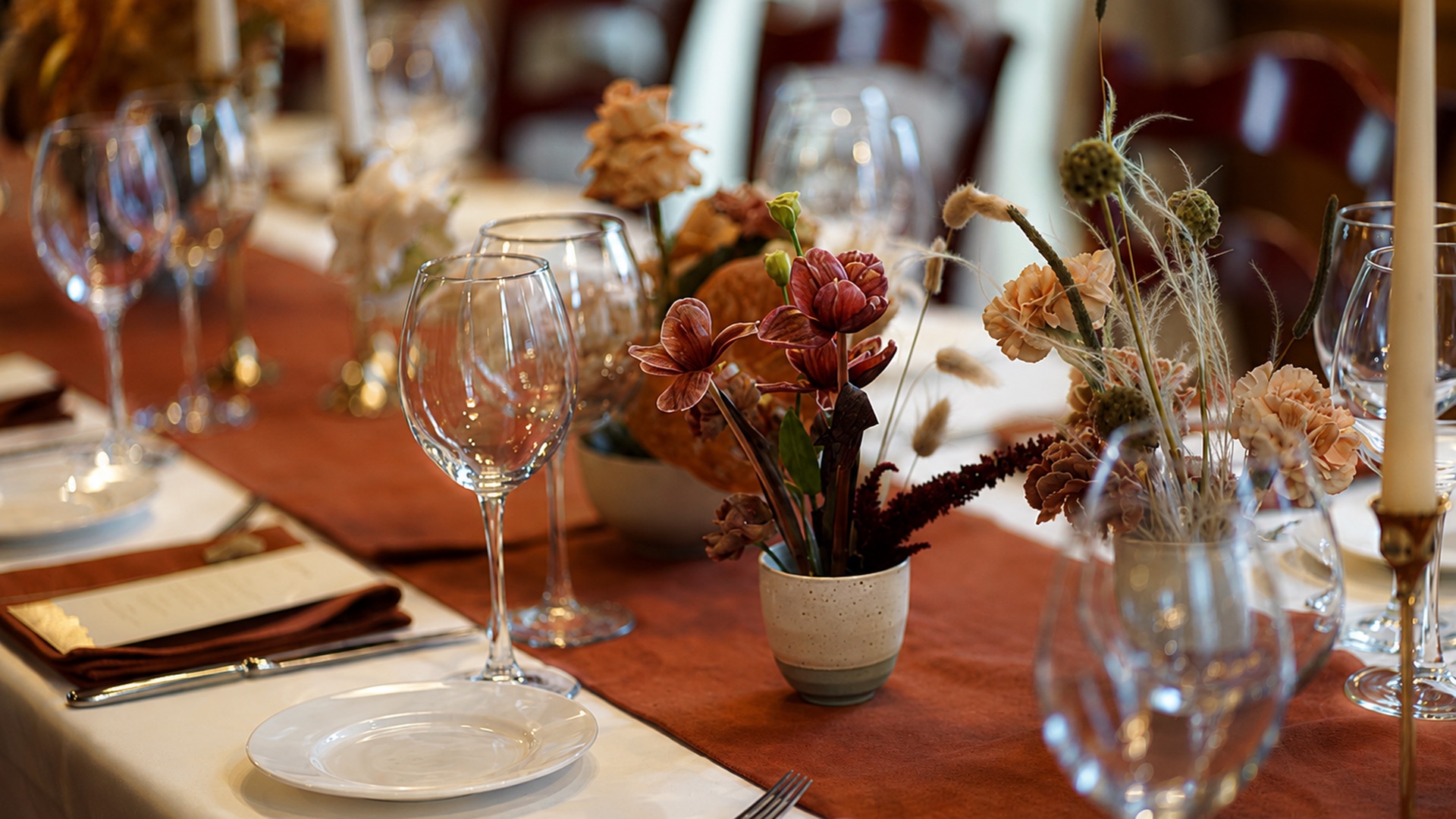
A private dinner. A conversation in an artist’s studio. An afternoon spent in the company of people whose interests seldom follow the same path.
Our gatherings take many forms, often in places chosen as much for their character as their setting.
The pleasure is in the company.
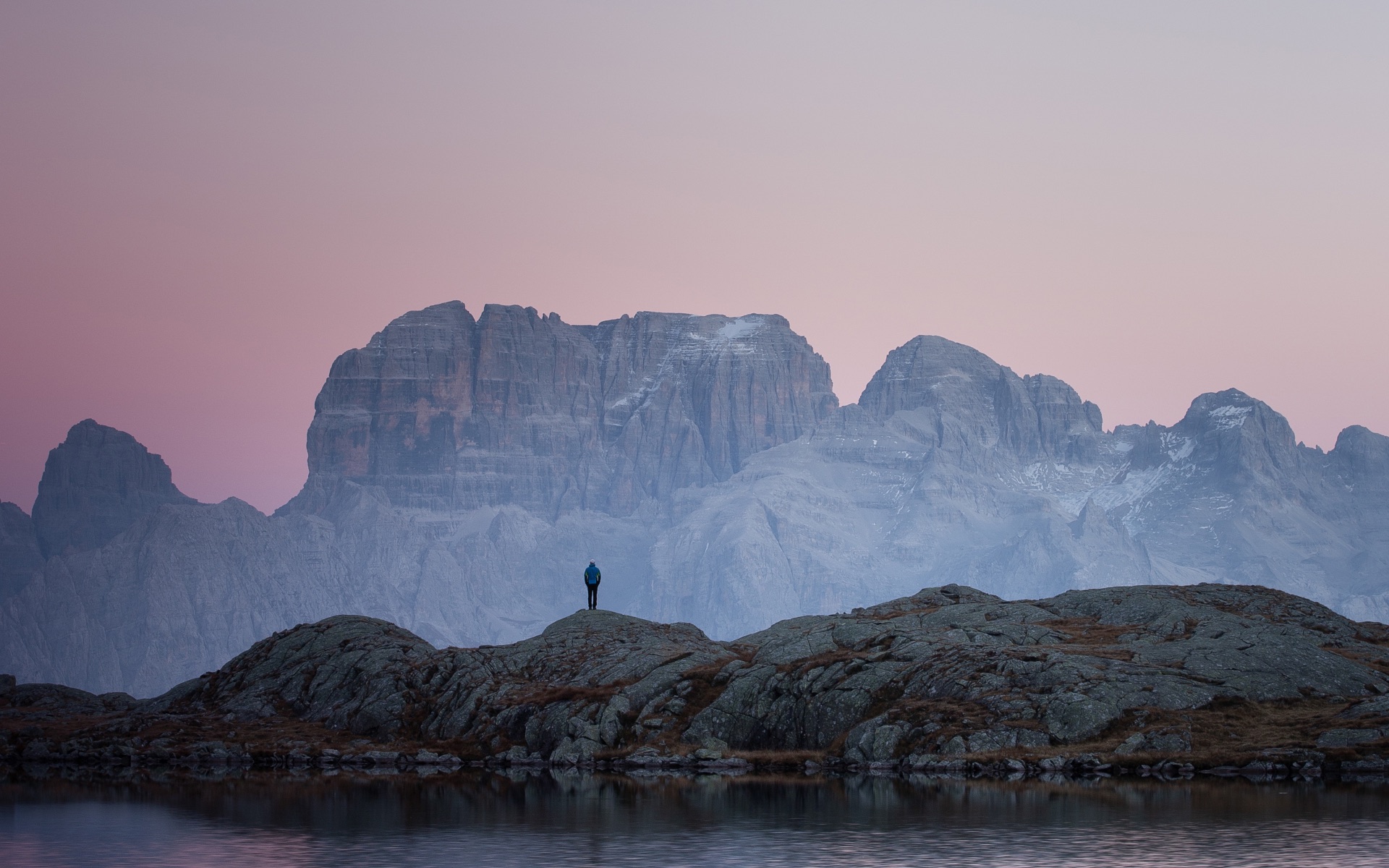
There is always another place to discover, another subject to understand, another experience worth making time for.
From familiar destinations seen differently to places well beyond the usual itinerary, exploration is as much a state of mind as a journey.
The world remains an endlessly interesting place.
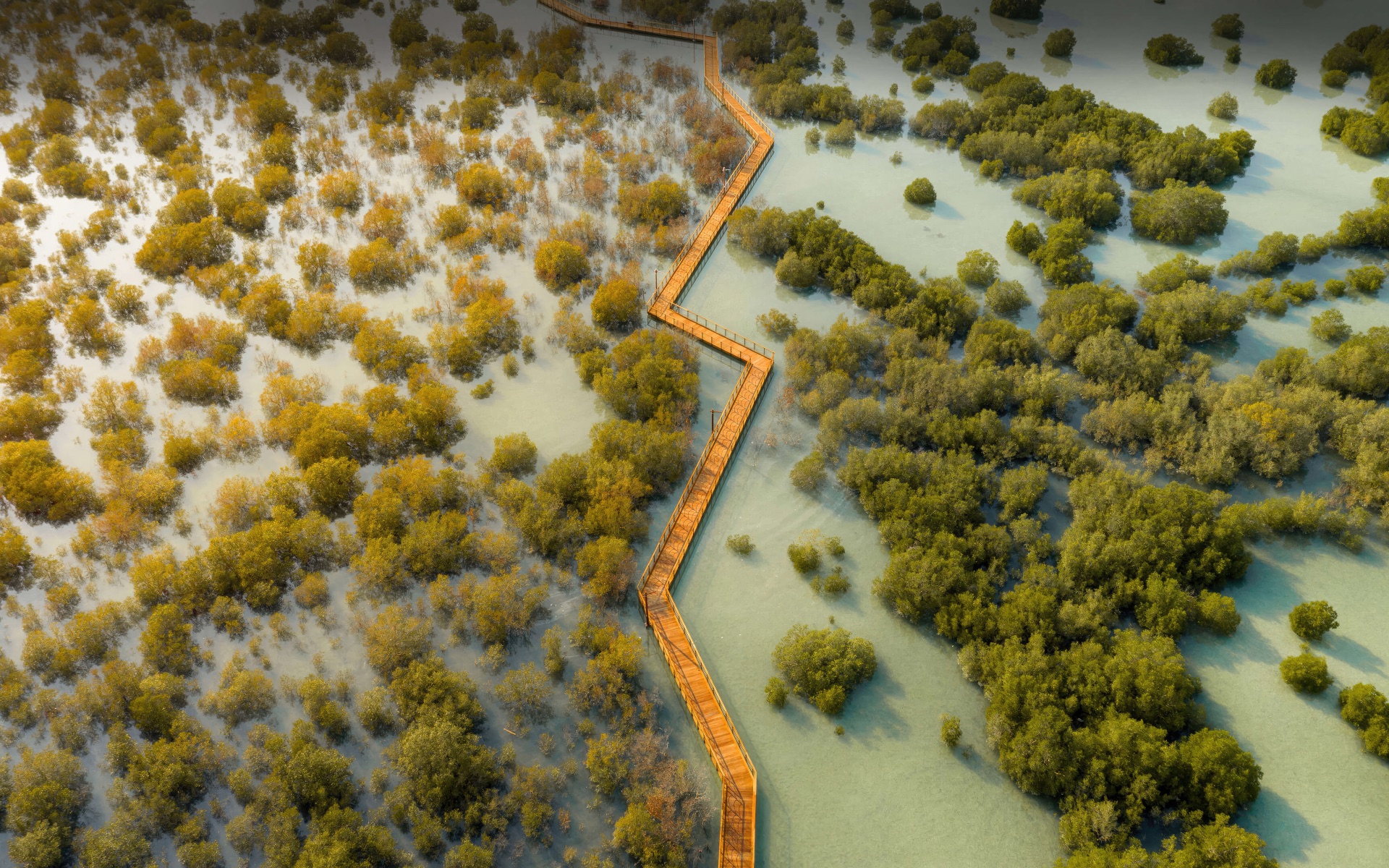
A historic residence returned to its former beauty. A neglected enterprise given new purpose. A remarkable object entrusted to skilled hands.
Restoration is an appreciation of what already exists, and the imagination to see what it might become.
Sometimes the most interesting beginnings are found in what came before.
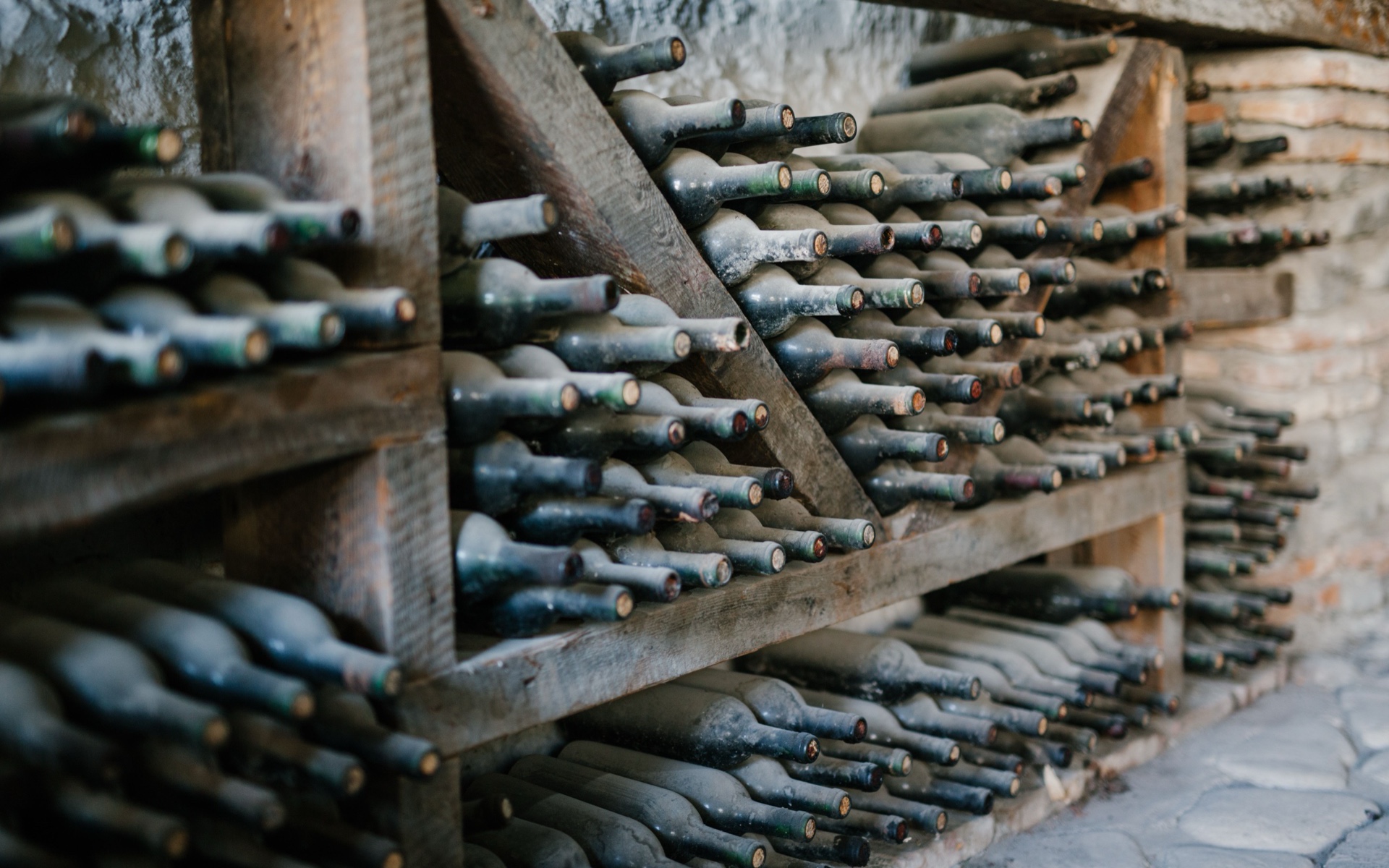
Some things are entrusted to us for longer than others.
Family enterprises, collections, historic places, cultural traditions and the knowledge accumulated across generations.
Their value lies not only in what they represent today, but in what they may continue to mean tomorrow.
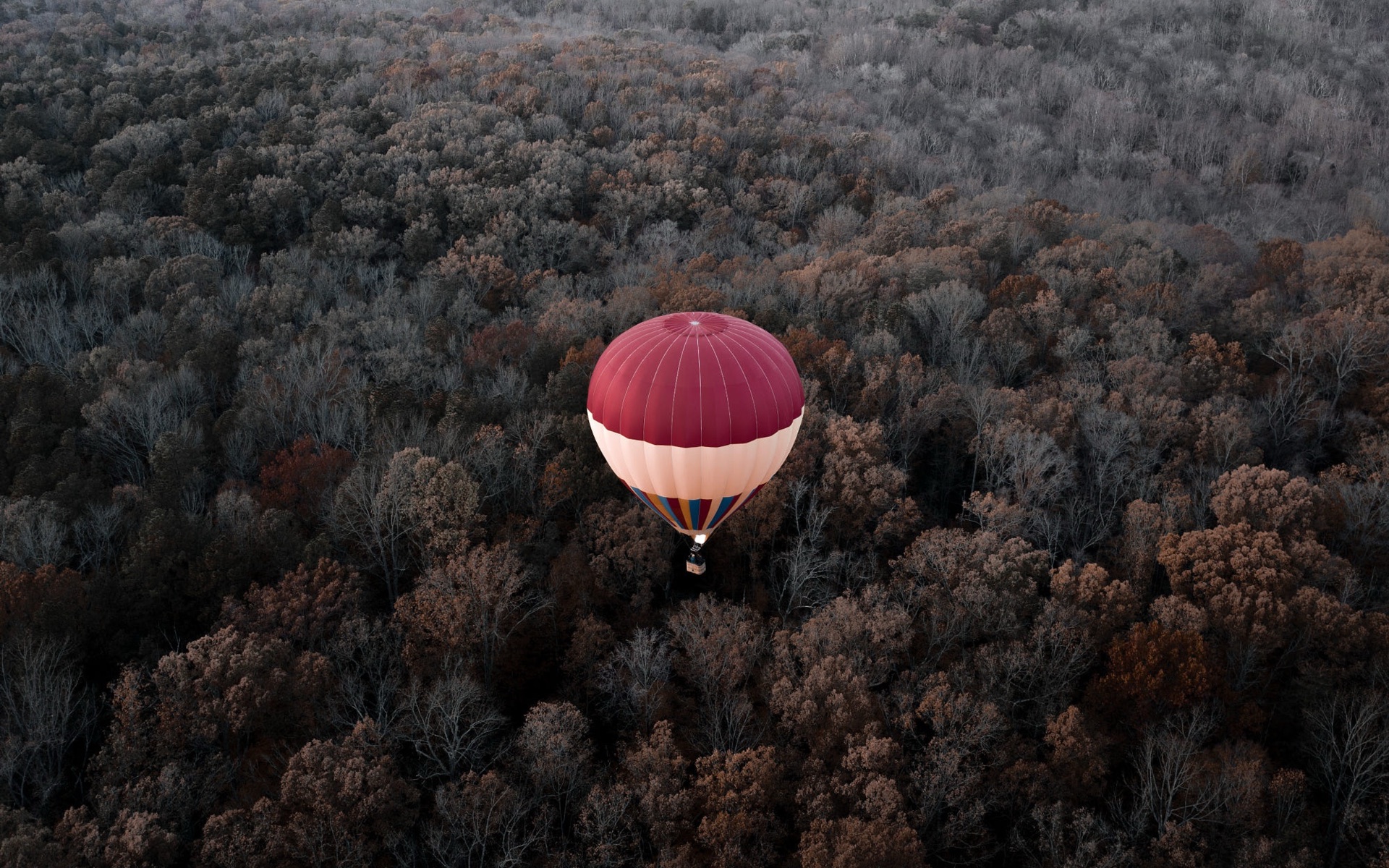
There is a particular freedom in being somewhere that asks nothing of you.
Away from public attention, professional obligations and the expectation of being available.
A little time, a little distance and the pleasure of complete privacy.
Some moments are best kept entirely to oneself.