5 Leading Longevity Clinics for Private Clients in 2026
For generations, private healthcare was defined primarily by access.
Access to a respected physician. Access to a leading specialist. Access to treatment without delay.
Longevity medicine is beginning to change that proposition.
The more sophisticated providers are no longer waiting for disease to become symptomatic before assembling a detailed picture of the individual. They are combining advanced imaging, cardiovascular assessment, genomic information, metabolic testing, body-composition analysis and continuing clinical review in an attempt to identify risk while meaningful intervention may still be possible.
The ambition, at least among responsible practitioners, is not immortality.
Nor can any credible clinic guarantee that its clients will live longer.
The more defensible objective is healthspan: preserving the years during which an individual remains cognitively capable, physically independent and substantially free from preventable disease.
For private clients, the greatest value may lie not in any single scan or treatment, but in integration.

Examinations that might ordinarily require appointments across several hospitals can be coordinated within one programme, reviewed by a multidisciplinary team and translated into a longer-term plan. That can be particularly valuable for principals whose medical information is already distributed between several countries, physicians and private hospital systems.
Yet longevity medicine remains a sector in which discernment is essential.
Advanced diagnostics can uncover clinically important risks. They can also reveal incidental abnormalities that prove benign but lead to further scans, invasive procedures and understandable anxiety. The American College of Radiology notes that the growth of cross-sectional imaging has produced a corresponding increase in incidental findings, many of which may pose little or no threat to health. (American College of Radiology)
At the same time, treatments offered under the language of regeneration, rejuvenation or biological-age reversal do not all rest upon the same evidential foundations. The United States Food and Drug Administration continues to warn that unapproved human-cell and tissue products may present serious risks, including reported deaths. (U.S. Food and Drug Administration)
The distinction between serious preventive medicine and expensive biohacking has therefore never mattered more.
“The most valuable feature of a longevity clinic may not be the number of tests it offers, but the quality of judgement applied after the results arrive.”
The five providers below represent distinct approaches to modern longevity care: concentrated diagnostics, continuing membership medicine and medically supervised residential programmes. The purpose is not to establish a universal hierarchy, but to examine how their models differ and what those differences mean for the client.
Method
This selection considers clinical model, diagnostic scope, continuity of care, medical oversight, international relevance and the clarity with which each provider distinguishes established practice from emerging intervention. No commercial relationship exists with any clinic included, and no provider reviewed this article before publication.
Human Longevity

San Diego and South San Francisco, United States
Concentrated diagnostics and longitudinal monitoring
Human Longevity represents one of the most data-intensive models in preventive medicine.
Its Executive Health Assessment combines whole-genome sequencing, screening whole-body MRI, brain MRI with NeuroQuant analysis, extensive blood biomarkers, echocardiography, electrocardiography, DEXA scanning and coronary calcium assessment within a single programme. The company currently operates clinics in San Diego and South San Francisco.
The attraction is straightforward.
A client can establish an unusually detailed medical baseline within a private, highly coordinated visit rather than arranging each investigation independently. The resulting information is then reviewed by clinicians across imaging, genomics, cardiovascular health and laboratory medicine.
Human Longevity also offers annual programmes intended to move beyond the one-off assessment. Its published 100+ Care programme adds extended diagnostics and quarterly clinical follow-up, while its higher Concierge tier includes further cancer screening, body-composition imaging, specialist consultations and concierge primary care.
This is not a retreat, nor is it designed as one.
It is a diagnostic and longitudinal-care platform for clients who want to quantify their current health, identify material risks and monitor change over time.
Its strength is breadth.
Its central challenge is the one common to every highly intensive screening model: ensuring that the volume of information generated leads to proportionate, clinically justified action rather than unnecessary intervention.
The model is most relevant to individuals seeking extensive imaging, genomic analysis and continuing clinical oversight within the United States.
Lanserhof
Germany, Austria and Sylt
Residential medicine and structured behavioural change
Lanserhof occupies a markedly different position.
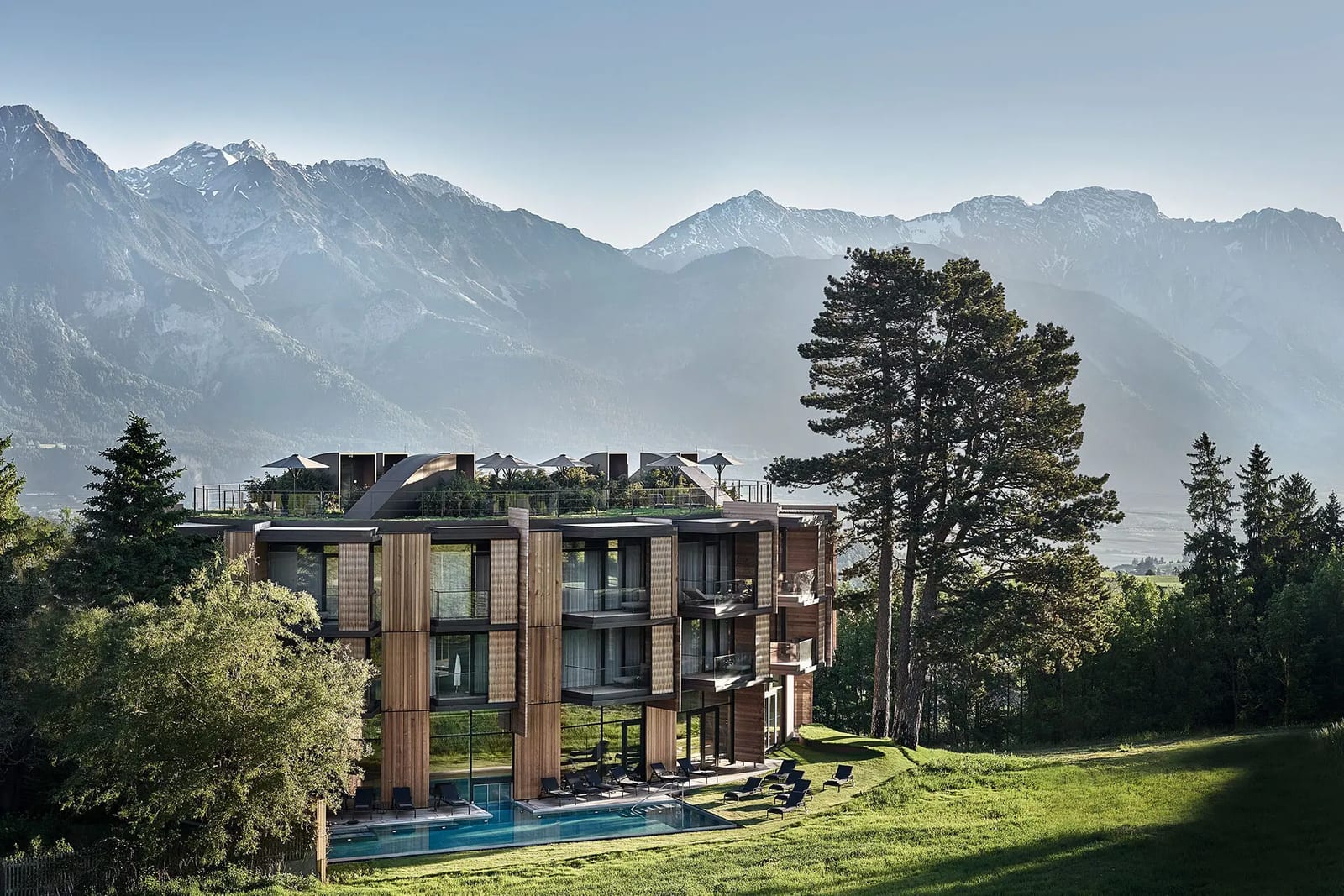
Its principal resorts in Tegernsee, Lans and Sylt combine medical consultation with the controlled structure of a destination health programme. Its stated approach integrates preventive diagnostics with fasting, nutrition, therapeutic treatments and individualised medical guidance.
The environment is not incidental to the model.
Meals, sleep, movement, therapy and clinical appointments are organised within one setting, removing many of the operational pressures that cause conventional health recommendations to be neglected once a client returns to everyday life.
For individuals accustomed to moving between meetings, flights and residences, the enforced withdrawal may be one of the programme’s most valuable characteristics.
Lanserhof is also developing a major Spanish property on the grounds of Finca Cortesin near Marbella. Earlier announcements referred to a 2026 arrival, but the organisation’s current official page now states that the resort is scheduled to open in 2027. Until then, it should be understood as a forthcoming development rather than an operating clinic.
Lanserhof’s appeal lies less in a singular diagnostic innovation than in its ability to place medicine, recovery and behavioural change inside one highly managed experience.
The model is most relevant to those seeking a residential programme combining clinical assessment, nutritional intervention, recovery and a deliberate interruption of established routines.
“For many principals, the scarce resource is not access to advice. It is an environment in which that advice can actually be followed.”
Clinique La Prairie
Montreux, Switzerland
Swiss residential medicine and coordinated hospitality
Clinique La Prairie remains one of the most internationally recognised names in destination longevity.
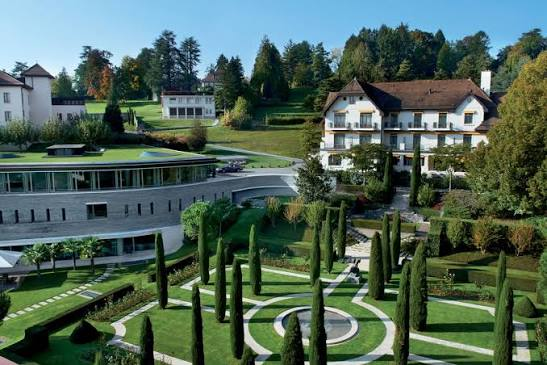
Based on the shores of Lake Geneva in Montreux, it combines preventive medicine, structured wellbeing programmes and residential hospitality. Its programmes combine medical consultations, diagnostic assessment, nutrition, physical activity, wellbeing treatments and periods of supervised recovery.
The institution’s principal advantage is not any one intervention.
It is the ability to bring medical and hospitality services together within a discreet residential setting over several days. For internationally mobile clients, that integration can remove much of the friction normally associated with undertaking a broad health review.
Its Health Diagnostic programme is currently presented as a three-day medical assessment incorporating blood analysis, imaging, functional evaluation and specialist consultations. Longer residential offerings, including its Revitalisation programme, layer diagnostics with nutrition, supplementation and wellbeing therapies.
Clinique La Prairie should not, however, be interpreted as having demonstrated that its programmes extend human lifespan.
The more credible description is that it provides comprehensive assessment, medically guided lifestyle intervention and restoration within an exceptionally controlled environment.
Prospective clients should evaluate any optional biological, cellular or regenerative intervention on its own merits. The fact that a treatment appears within a broader longevity programme does not mean it carries the same level of evidence as established cardiovascular risk management, clinically indicated imaging or conventional preventive care.
The model is most relevant to internationally mobile individuals seeking privacy, medical coordination and residential care within a single programme.
Fountain Life
United States
Membership-based preventive care
Fountain Life is structured around a different idea: longevity as a continuing clinical relationship rather than an occasional retreat.
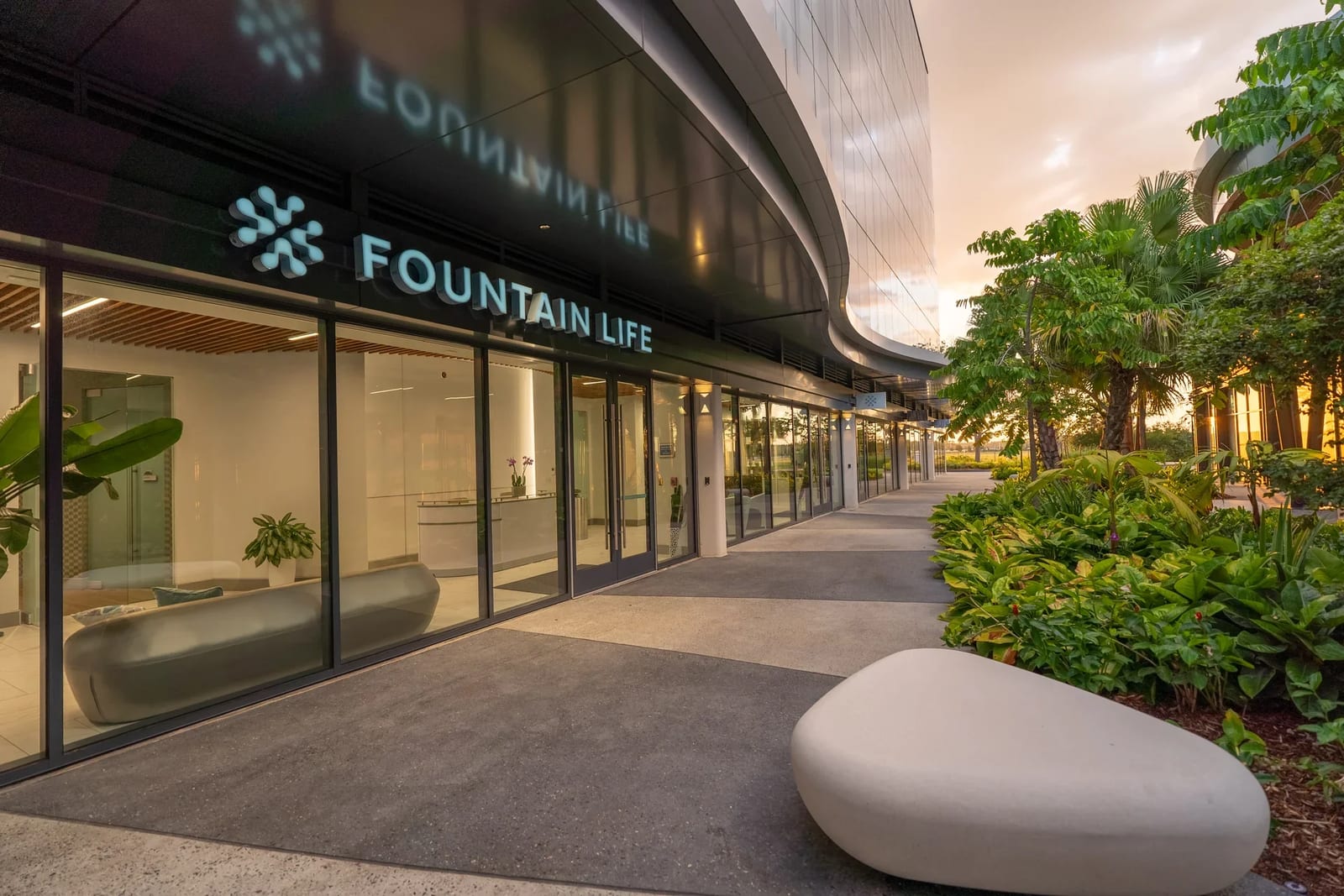
Its membership model combines advanced imaging, biomarker analysis, genetic information and physician-led interpretation with continuing health-management programmes. The company currently lists centres in Dallas, Orlando, Naples, the New York area and Houston, with Miami also promoted within its expanding network; operating and opening status should be confirmed for the chosen location when arranging a visit.
The proposition is intended for clients who want diagnostic information incorporated into a year-round system.
Results are used to guide cardiovascular risk reduction, metabolic management, early detection and broader performance planning. The organisation places particular emphasis on full-body imaging and AI-assisted diagnostic interpretation, alongside physician review.
For US-based principals, this model may prove more practical than travelling annually to a European health resort.
It offers repeatability, continuity and the possibility of building an evolving medical record rather than treating each visit as a self-contained event.
As with all longevity providers, however, clients should draw a clear line between interventions supported by established preventive medicine and treatments marketed under more speculative claims of restoration or age reversal. (Fountain Life)
The model is most relevant to US-based individuals seeking recurring diagnostics and physician-led health management through a membership structure.
MAYRLIFE
Altaussee, Austria
Metabolic health and structured behavioural change
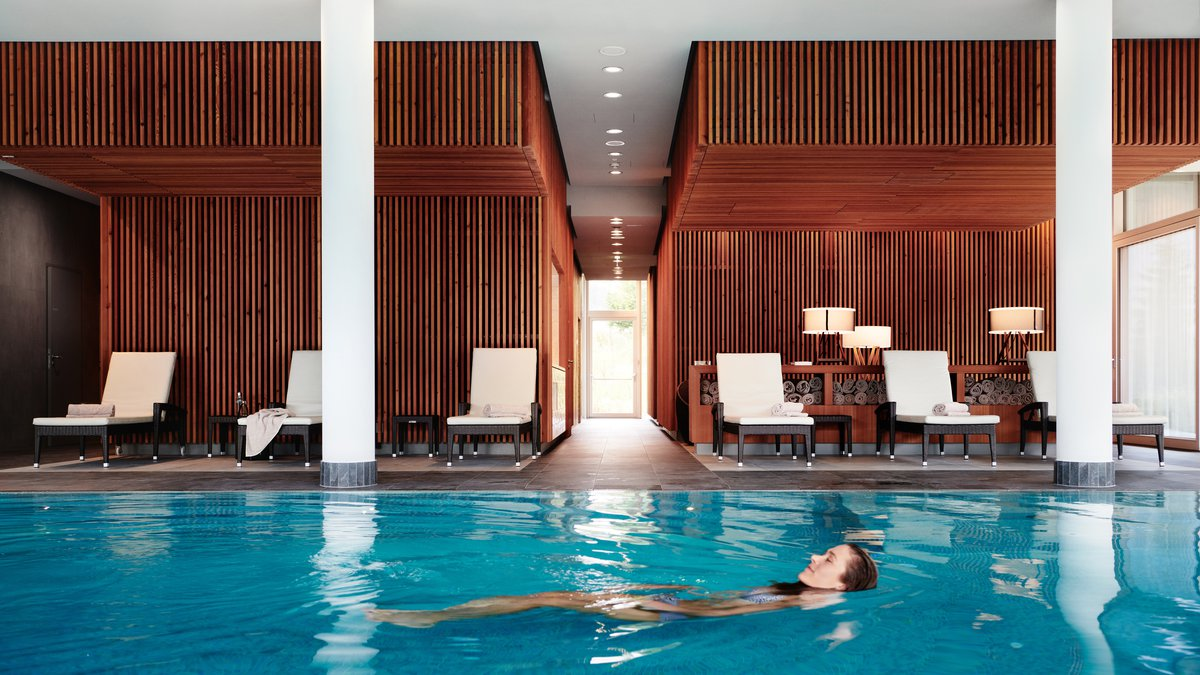
MAYRLIFE offers one of Europe’s most established medically supervised health-resort models.
Set beside Lake Altaussee, it combines medical assessment with an approach derived from F. X. Mayr medicine, placing particular emphasis on nutrition, digestive health, metabolic function, inflammation, stress and behavioural change.
Its current programme structure includes shorter four-night resets and more comprehensive programmes beginning at seven nights. Published options include stress management, weight management, anti-inflammatory programmes and personalised medical-health stays.
The experience is deliberately structured.
Initial medical evaluation and selected laboratory or functional assessments inform a personalised treatment and nutritional plan. The objective is less to administer one defining “longevity treatment” than to create a supervised environment in which existing habits can be examined, interrupted and rebuilt.
MAYRLIFE also maintains day-clinic services in Vienna and London, although Altaussee remains the complete residential expression of its model.
Its emphasis on gut health, dietary restriction and Mayr-derived principles will resonate with some clients more than others.
As with every integrative programme, the evidence for each component should be considered individually rather than treating the entire philosophy as a single, scientifically uniform package.
The model is most relevant to those seeking an Austrian residential programme focused on nutrition, metabolic health, inflammation, stress and sustainable behavioural change.
What Credible Programmes Have in Common

The longevity market is gradually moving away from isolated treatments and towards integrated systems of care.
Across the different models, several characteristics provide a useful indication of clinical seriousness:
- A comprehensive but clinically justified baseline assessment.
- A named physician responsible for interpreting the findings.
- Coordination between imaging, laboratory results and specialist consultations.
- Longitudinal monitoring rather than a single annual examination.
- Attention to cardiovascular, metabolic, cognitive and musculoskeletal health.
- Clear referral pathways when significant disease is suspected.
- Secure handling of genomic, imaging and medical information.
- Restraint regarding treatments whose benefits remain uncertain.
For sophisticated clients, the final quality may be the most revealing.
A clinic’s willingness to decline an unnecessary procedure can say more about its medical culture than the length of its treatment menu.
The most valuable feature of a longevity clinic may not be the number of tests it offers, but the quality of judgement applied after the results arrive.
Diagnostics Are Not Without Consequence
In private medicine, greater access can create an understandable temptation to test for everything.
But more testing is not automatically synonymous with better care.
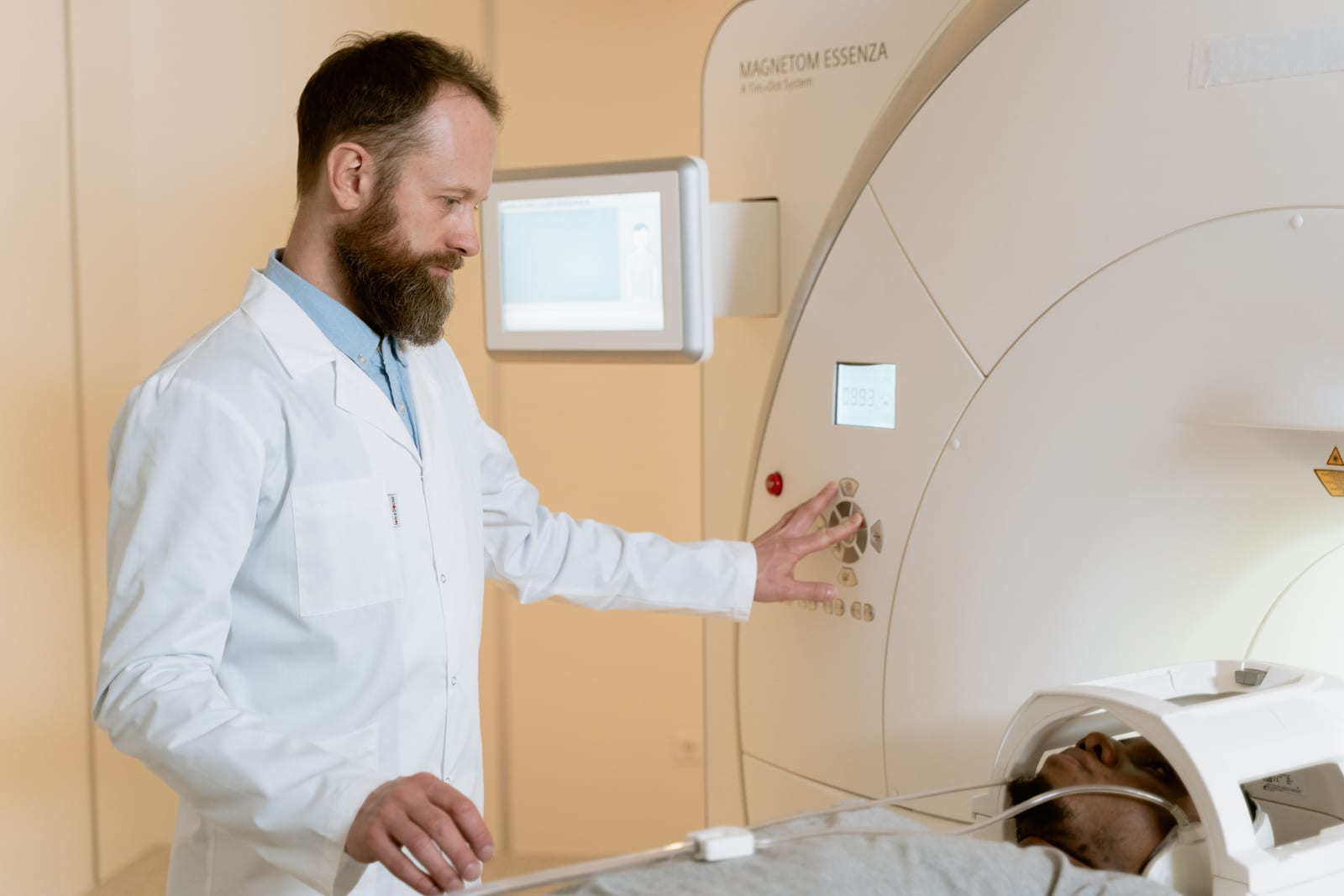
Whole-body MRI and extensive biomarker panels may reveal disease before symptoms emerge. They may also detect benign abnormalities that lead to repeated imaging, biopsies, specialist consultations and anxiety.
The question is not simply whether a clinic can perform a test.
It is whether the test is appropriate for the individual, whether its limitations are understood and whether a credible pathway exists for managing the result.
Genomic information requires similar caution.
A genetic predisposition is not a diagnosis. Some variants carry clear clinical significance; others offer probabilities of uncertain practical value. Interpretation should take place within the context of personal history, family history and conventional medical assessment.
Before entering any programme, clients should establish:
Who assumes medical responsibility for the findings?
Which tests are clinically justified for someone of this age, history and risk profile?
How will incidental findings be managed?
Which treatments are approved or regulated in the relevant jurisdiction?
What evidence supports each proposed intervention?
Will the clinic coordinate with existing physicians?
Where will genomic and imaging data be stored, and who will retain access?
The quality of those answers matters more than the novelty of the technology.
This article provides editorial analysis rather than individual medical advice. Decisions concerning screening, diagnosis or treatment should be made with a physician who understands the individual’s medical history and risk profile.
What Wealth Can—and Cannot—Buy

Financial resources can secure privacy, time, coordination and speed.
They can provide access to highly regarded clinicians, sophisticated diagnostics, specialist second opinions and a level of logistical support that makes recommendations easier to implement.
They can create space for exercise, sleep and recovery.
They can reduce the administrative burden of maintaining medical care across several countries.
They cannot eliminate biological uncertainty.
Nor can they convert an experimental treatment into an established one.
The foundations of healthy ageing remain considerably less theatrical than much of the sector’s marketing suggests: avoiding tobacco, maintaining cardiorespiratory fitness and muscular strength, controlling blood pressure and cholesterol, preserving metabolic health, eating well, sleeping adequately, receiving appropriate screening and vaccination, and sustaining meaningful social relationships. The World Health Organization continues to identify physical activity, nutrition and the avoidance of tobacco among the central contributors to health across the life course. (World Health Organization)
The best longevity clinic should reinforce those foundations.
It should not distract from them.
Selecting the Right Programme
No single model is appropriate for every individual.
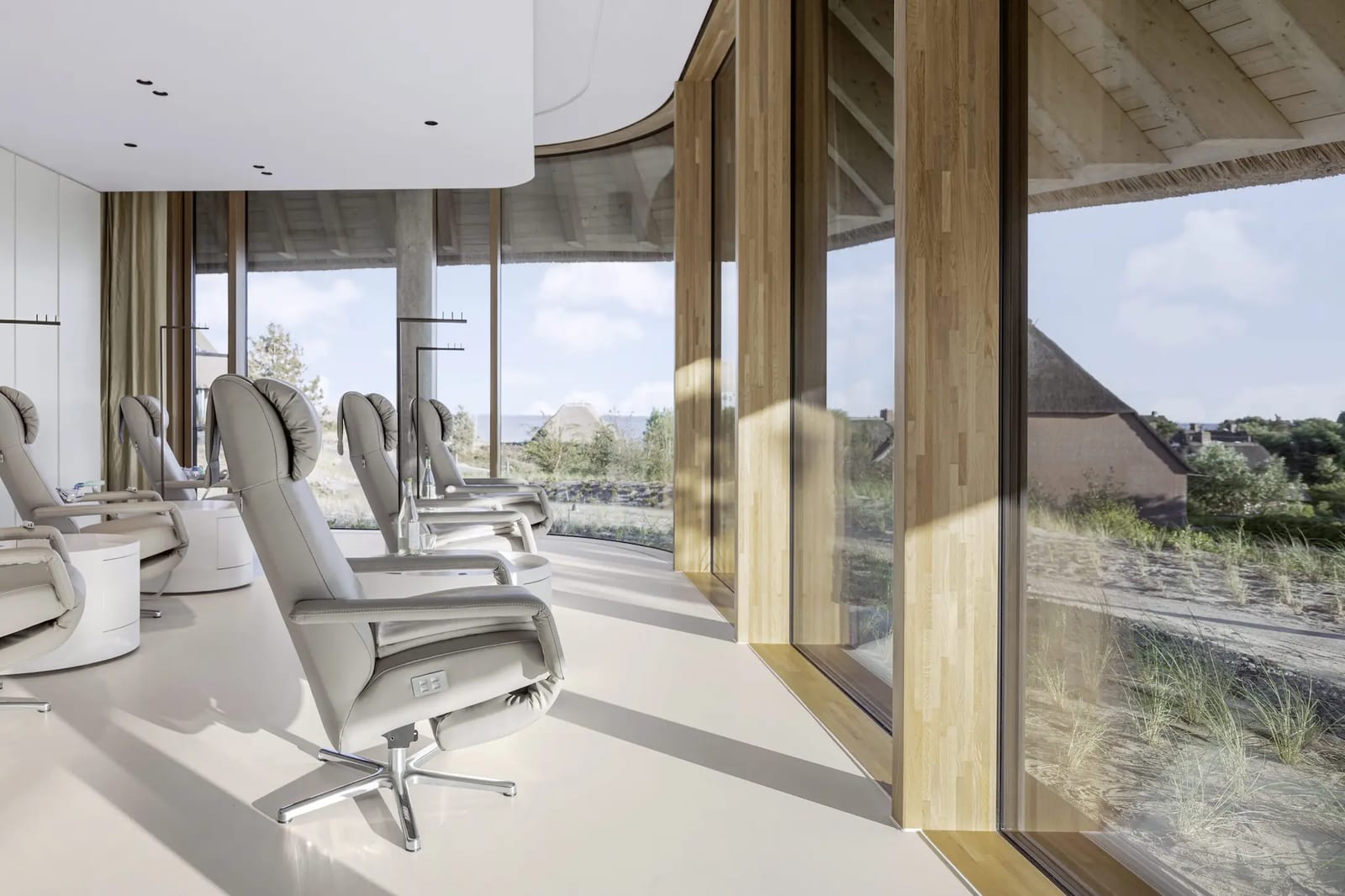
Human Longevity is built around concentrated diagnostics and genomic analysis. Fountain Life offers a continuing American membership structure. Lanserhof, Clinique La Prairie and MAYRLIFE place medical assessment within residential programmes designed to support recovery and behavioural change.
These are not interchangeable propositions. The appropriate choice depends upon medical history, age, existing care, tolerance for intensive screening and whether the objective is diagnostic assessment, continuing oversight or a structured period away from everyday routines.
The appropriate decision depends upon the individual.
An asymptomatic forty-year-old seeking a baseline assessment requires a different clinical model from an older individual managing cardiovascular risk, cognitive concerns or several established conditions.
In many cases, the most coherent approach will not depend upon one institution. It may combine a trusted physician for continuity, a major hospital network for specialist treatment and a longevity clinic for selected diagnostics or a structured residential programme.
The decisive question is therefore not which clinic offers the longest menu of investigations. It is whether the programme strengthens the medical care already surrounding the individual.
A longevity clinic should complement that architecture. It should never replace it.